レンタルオフィス | 10 Things Everybody Has To Say About Bunk Single Beds
ページ情報
投稿人 Tuyet 메일보내기 이름으로 검색 (37.♡.62.30) 作成日24-06-02 10:09 閲覧数25回 コメント0件本文
Address :
XF
Comparing Bunk Beds To Single Beds [78.Gregorinius.Com]
Parents of children who are rambunctious should look at single beds as an alternative to bunks, because the latter could cause injuries. These beds may not be suitable for children suffering from muscular problems such as convulsions, or weak spots.
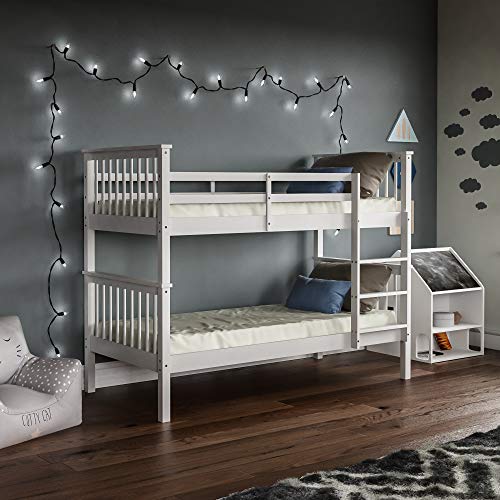
To transform bunk beds into two single beds, take out the ladder and guardrails. Then, swap the footboards and head boards of each bed. Trundles can increase storage space, too.
 Size
Size
Bunk beds for children's rooms are popular because they take less space than two single beds, but allow siblings to share the same room. They can also be found in sleeping quarters that are shared, such as youth hostels ships, military barracks, and student dormitories. In a bedroom with bunk beds the mattresses are typically twin-over-twin. The top bed is usually a little higher than its lower bed, to allow children to sit and read or watch television.
Although children love bunk beds, they might want to move to single beds at some time. Switching from bunk beds to single bunk bed with storage beds is a breeze to do, and it allows kids to feel more independent sleeping in their own bed. It also helps reduce sibling rivalry and aid in the development of a healthy sleep schedule.
The most important factor when deciding whether to upgrade your kids' bunk bed to single beds is the size of your children and the space which they'll sleep. If your children are older, you may be able for them to make the change independently. This is a fantastic way for them to develop their decision-making skills and to empower them.
Measure the length and width of your children's bedrooms prior to changing to single beds. Use the measurement results to determine the size of mattresses you can fit in each of their rooms and the maximum height you can safely put your bunk bed. You'll also need to consider the amount of storage space you have in each room, which will influence the amount of space you can afford to allocate to bunk beds.
While most bunk beds feature twin mattresses, a few models have full-sized mattresses on both the bottom and top bunks. These are great for teens or adults who need to share a room and many of these styles can be divided into two separate beds for greater versatility.
When you are deciding on the right mattress for your bunk bed, it is important to remember that bunk beds generally require a heavier mattress than single beds. The extra thickness improves comfort and stops the edges of your mattress from rolling over the edge of the bunk bed. It is also important to choose a mattress that is hypoallergenic, odor-resistant and water-resistant so that your children stay comfortable as they sleep.
Safety
In a number of bunk accidents at bed, children are trapped between the bunks and the wall. These accidents are usually preventable. Parents should seek out designs that do not have areas where children can be trapped. The top mattress must be strong and wide enough to keep children from falling out. Some models can be split into single beds. This is a great option for families who are looking to try cabin bunk bed single beds but want to switch to singles.
Parents should also follow the instructions provided by the manufacturer on how to properly install a bunk bed. Verify that the ladder is secured to the bed and that it doesn't jut out from either side of the bunk. It is important to have a sturdy bed frame. Check regularly that the connections and screws are secure. They may loosen over time.
Children should be taught how to climb up the ladder, but not to use it as a jungle gym or trampoline. They should also be monitored at night to make sure they don't fall off the top bunk. Parents should also make it clear that the bunk is designed for sleeping, not playing. It is an excellent idea to remove any furniture that is in close proximity to the bunk.
The bed's bottom should be of a suitable height for the child who will be using it. This means that the mattress should not be higher than 8 inches above the floor. This should allow most children to be able to sleep comfortably without the need to add additional bedding. If a child is taller than the average age group, a shorter bed might be required to avoid discomfort.
Bunks can be the ideal way to reduce space in a bedroom, however they are not suitable for Bunk Bed And Single Bed all children. Children with convulsions or muscular problems, or awkward, should be placed in single beds.
Cost
Parents of children who are rambunctious should look at single beds as an alternative to bunks, because the latter could cause injuries. These beds may not be suitable for children suffering from muscular problems such as convulsions, or weak spots.
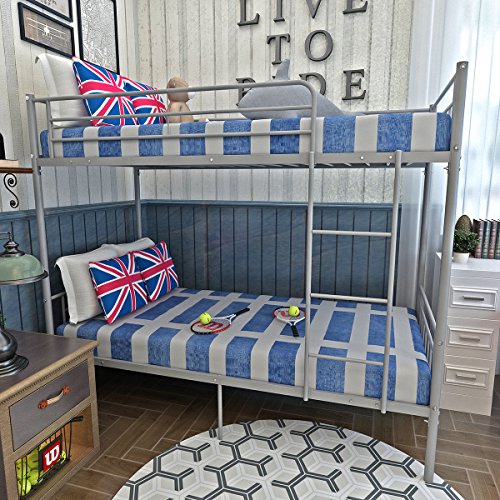
To transform bunk beds into two single beds, take out the ladder and guardrails. Then, swap the footboards and head boards of each bed. Trundles can increase storage space, too.
SizeBunk beds for children's rooms are popular because they take less space than two single beds, but allow siblings to share the same room. They can also be found in sleeping quarters that are shared, such as youth hostels ships, military barracks, and student dormitories. In a bedroom with bunk beds the mattresses are typically twin-over-twin. The top bed is usually a little higher than its lower bed, to allow children to sit and read or watch television.
Although children love bunk beds, they might want to move to single beds at some time. Switching from bunk beds to single bunk bed with storage beds is a breeze to do, and it allows kids to feel more independent sleeping in their own bed. It also helps reduce sibling rivalry and aid in the development of a healthy sleep schedule.
The most important factor when deciding whether to upgrade your kids' bunk bed to single beds is the size of your children and the space which they'll sleep. If your children are older, you may be able for them to make the change independently. This is a fantastic way for them to develop their decision-making skills and to empower them.
Measure the length and width of your children's bedrooms prior to changing to single beds. Use the measurement results to determine the size of mattresses you can fit in each of their rooms and the maximum height you can safely put your bunk bed. You'll also need to consider the amount of storage space you have in each room, which will influence the amount of space you can afford to allocate to bunk beds.
While most bunk beds feature twin mattresses, a few models have full-sized mattresses on both the bottom and top bunks. These are great for teens or adults who need to share a room and many of these styles can be divided into two separate beds for greater versatility.
When you are deciding on the right mattress for your bunk bed, it is important to remember that bunk beds generally require a heavier mattress than single beds. The extra thickness improves comfort and stops the edges of your mattress from rolling over the edge of the bunk bed. It is also important to choose a mattress that is hypoallergenic, odor-resistant and water-resistant so that your children stay comfortable as they sleep.
Safety
In a number of bunk accidents at bed, children are trapped between the bunks and the wall. These accidents are usually preventable. Parents should seek out designs that do not have areas where children can be trapped. The top mattress must be strong and wide enough to keep children from falling out. Some models can be split into single beds. This is a great option for families who are looking to try cabin bunk bed single beds but want to switch to singles.
Parents should also follow the instructions provided by the manufacturer on how to properly install a bunk bed. Verify that the ladder is secured to the bed and that it doesn't jut out from either side of the bunk. It is important to have a sturdy bed frame. Check regularly that the connections and screws are secure. They may loosen over time.
Children should be taught how to climb up the ladder, but not to use it as a jungle gym or trampoline. They should also be monitored at night to make sure they don't fall off the top bunk. Parents should also make it clear that the bunk is designed for sleeping, not playing. It is an excellent idea to remove any furniture that is in close proximity to the bunk.
The bed's bottom should be of a suitable height for the child who will be using it. This means that the mattress should not be higher than 8 inches above the floor. This should allow most children to be able to sleep comfortably without the need to add additional bedding. If a child is taller than the average age group, a shorter bed might be required to avoid discomfort.
Bunks can be the ideal way to reduce space in a bedroom, however they are not suitable for Bunk Bed And Single Bed all children. Children with convulsions or muscular problems, or awkward, should be placed in single beds.
Cost


【コメント一覧】
コメントがありません.