ゲストハウス | NHS: The Family They Never Had
ページ情報
投稿人 Jeremiah 메일보내기 이름으로 검색 (104.♡.190.244) 作成日25-10-18 05:23 閲覧数90回 コメント0件本文
Address :
NH
In the sterile corridors of Birmingham Women's and Children's NHS Foundation Trust, a young man named James Stokes navigates his daily responsibilities with subtle confidence. His oxford shoes barely make a sound as he greets colleagues—some by name, others with the universal currency of a "how are you."

James displays his credentials not merely as an employee badge but as a testament of belonging. It sits against a well-maintained uniform that offers no clue of the tumultuous journey that led him to this place.
What sets apart James from many of his colleagues is not visible on the surface. His presence discloses nothing of the fact that he was among the first participants of the NHS Universal Family Programme—an initiative created purposefully for young people who have spent time in care.
"The Programme embraced me when I needed it most," James reflects, his voice measured but tinged with emotion. His remark encapsulates the core of a programme that seeks to transform how the massive healthcare system perceives care leavers—those frequently marginalized young people aged 16-25 who have graduated out of the care system.
The figures paint a stark picture. Care leavers commonly experience poorer mental health outcomes, financial instability, accommodation difficulties, and diminished educational achievements compared to their contemporaries. Behind these impersonal figures are personal narratives of young people who have traversed a system that, despite good efforts, regularly misses the mark in delivering the supportive foundation that forms most young lives.
The NHS Universal Family Programme, established in January 2023 following NHS England's promise to the Care Leaver Covenant, signifies a significant change in organizational perspective. At its core, it recognizes that the entire state and civil society should function as a "collective parent" for those who haven't known the stability of a traditional family setting.
A select group of healthcare regions across England have blazed the trail, developing structures that reconceptualize how the NHS—one of Europe's largest employers—can open its doors to care leavers.
The Programme is thorough in its approach, initiating with comprehensive audits of existing policies, establishing oversight mechanisms, and obtaining senior buy-in. It understands that successful integration requires more than lofty goals—it demands concrete steps.
In NHS Birmingham and Solihull ICB, where James started his career, they've established a reliable information exchange with representatives who can deliver assistance and counsel on personal welfare, HR matters, recruitment, and EDI initiatives.
The standard NHS recruitment process—rigid and often daunting—has been intentionally adjusted. Job advertisements now highlight personal qualities rather than numerous requirements. Application processes have been redesigned to accommodate the particular difficulties care leavers might experience—from lacking professional references to having limited internet access.
Perhaps most significantly, the Programme acknowledges that starting a job can create specific difficulties for care leavers who may be handling self-sufficiency without the support of familial aid. Issues like travel expenses, identification documents, and financial services—assumed basic by many—can become substantial hurdles.
The brilliance of the Programme lies in its meticulous consideration—from outlining compensation information to providing transportation assistance until that crucial first payday. Even seemingly minor aspects like rest periods and professional behavior are carefully explained.
For James, whose NHS journey has "transformed" his life, the Programme offered more than a job. It offered him a perception of inclusion—that intangible quality that grows when someone senses worth not despite their past but because their distinct perspective improves the organization.
"Working for the NHS isn't just about doctors and nurses," James observes, his eyes reflecting the subtle satisfaction of someone who has secured his position. "It's about a collective of different jobs and roles, a group of people who really connect."
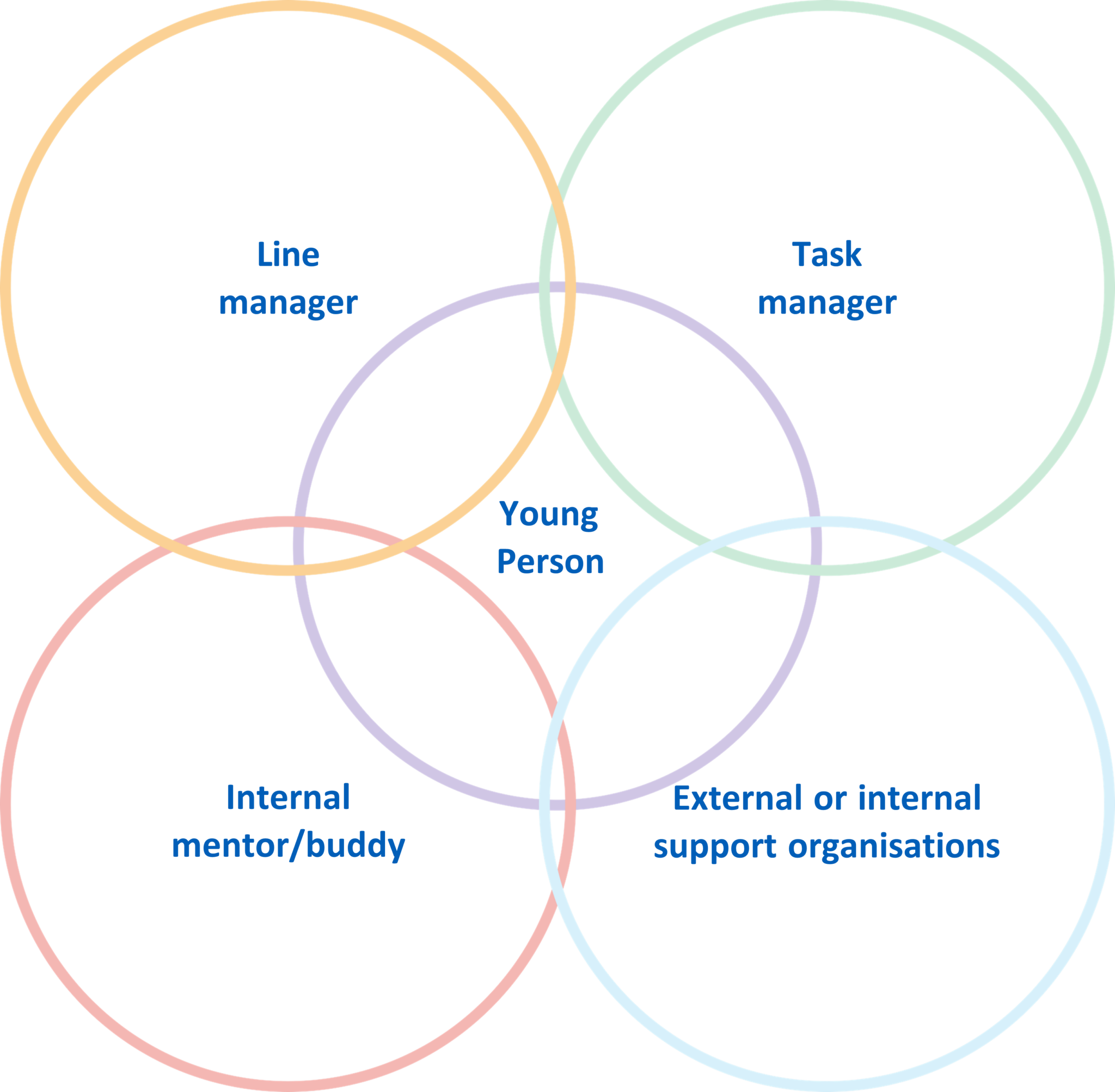
The NHS Universal Family Programme exemplifies more than an work program. It exists as a strong assertion that systems can evolve to embrace those who have experienced life differently. In doing so, they not only transform individual lives but enhance their operations through the unique perspectives that care leavers contribute.
As James navigates his workplace, his participation subtly proves that with the right support, care leavers can flourish in environments once considered beyond reach. The embrace that the NHS has provided through this Programme signifies not charity but appreciation of untapped potential and the profound truth that each individual warrants a support system that supports their growth.


【コメント一覧】
コメントがありません.