賃貸 | Why Non Folding Treadmill Could Be More Dangerous Than You Thought
ページ情報
投稿人 Paulina Ardill 메일보내기 이름으로 검색 (5.♡.37.136) 作成日26-03-22 15:14 閲覧数4回 コメント0件本文
Address :
YP
The Comprehensive Guide to Non-Folding Treadmills: Benefits, Features, and Recommendations
When it pertains to home physical fitness devices, the treadmill has stood the test of time as one of the most popular choices. Among different types readily available in the market, non-folding treadmills have gotten particular attention for their stability and resilience. In this blog site post, we will explore what non-folding treadmills are, their benefits, essential functions to consider, and some advised designs. By the end, you will have a better understanding of whether a non-folding treadmill is the right choice for your physical fitness journey.
Comprehending Non-Folding Treadmills
Non-folding treadmills, as the name recommends, are developed to remain in a set position. Unlike their folding equivalents, they do not have the ability to collapse or fold up for storage. This design offers numerous benefits, especially in terms of stability and effectiveness, making them an attractive option for major fitness lovers.
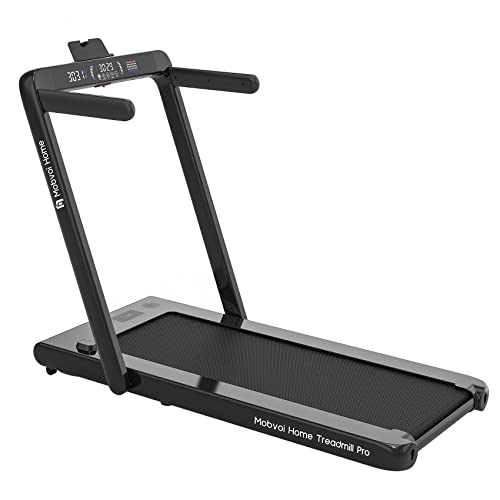
Benefits of Non-Folding Treadmills
While both folding and non-folding treadmills serve the exact same fundamental purpose, non-folding designs come with unique advantages:
Increased Stability: Non-folding treadmills are normally developed on a more solid frame, offering enhanced stability during intense workouts.
Higher Weight Capacity: These models frequently support heavier users compared to folding treadmills due to their stronger style.
Much better Durability: With less moving parts and a more robust building, non-Folding Manual Treadmill treadmills tend to have a longer life-span.
Advanced Features: Non-folding designs typically include more innovative innovation and functions such as superior shock absorption, more slope options, and integrated exercise programs.
Here's a contrast between the 2 types:
| Feature | Folding Treadmills | Non-Folding Treadmills |
|---|---|---|
| Stability | Moderate | High |
| Weight Capacity | Low to Moderate | High |
| Toughness | Moderate | High |
| Storage Space | Space-saving | Needs dedicated area |
| Functions | Standard to Moderate | Advanced |
Key Features to Consider
When selecting a non-folding treadmill, numerous key features ought to be considered:
Motor Power: Look for a motor with at least 2.0 CHP (continuous horse power) for a dependable running experience. More powerful motors (3.0 CHP and above) are perfect for running at high speeds and for heavier users.
Running Surface: A broader and longer running location (at least 20 inches wide and 55-60 inches long) supplies much better comfort, especially for taller users.
Slope Options: Adjustable slope settings can assist you add range to your exercises, targeting various muscle groups.
Cushioning System: A great shock absorption system can minimize the effect on your joints, making workouts more secure and more comfortable.
Console Features: Look for treadmills with easy to use consoles that display screen necessary metrics, supply exercise programs, and have connection alternatives for music or virtual training.
Service warranty: A solid guarantee (a minimum of 5-10 years on the frame and motor) can provide comfort concerning your investment.
Leading Non-Folding Treadmills on the marketplace
Here are some highly suggested non-folding treadmills that deal with various budget plans and requirements:
| Manual Treadmill For Home Model | Key Features | Cost Range |
|---|---|---|
| NordicTrack Commercial 1750 | 3.75 CHP motor, 14" touchscreen, iFit compatible | ₤ 1,599 - ₤ 1,799 |
| Sole F80 | 3.5 CHP motor, 22" running surface area, foldable | ₤ 1,699 - ₤ 1,899 |
| LifeSpan TR5500i | 3.0 CHP motor, multiple incline levels, Bluetooth-connected | ₤ 1,299 - ₤ 1,499 |
| ProForm Pro 9000 | 4.0 CHP motor, 22" touchscreen, integrated speakers | ₤ 1,999 - ₤ 2,299 |
| Horizon Fitness 7.0 AT | 3.0 CHP motor, Bluetooth speakers, 15% slope | ₤ 999 - ₤ 1,199 |
Frequently Asked Questions (FAQs)
1. Are non-folding treadmills worth the financial investment?
- Yes, non-folding treadmills are typically worth the investment if you focus on stability, resilience, and advanced features over storage benefit.
2. Can non-folding treadmills suit smaller spaces?
- Non-folding treadmills need more dedicated area compared to folding models, so it's important to determine your area before purchasing.
3. How do I keep my non-folding treadmill?
- Regular maintenance includes oiling the belt, cleaning up the treadmill surface area, and inspecting the motor and electronic components for any problems.
4. Can I use a non-folding treadmill for walking as well as running?
- Definitely. The majority of non-folding treadmills accommodate both walking and running speeds, making them versatile for different workout requirements.
5. What's the average lifespan of a non-folding treadmill?
- With appropriate upkeep, non-folding treadmills can last anywhere from 10 to 15 years, depending upon usage frequency and model quality.
Non-folding treadmills are a wonderful alternative for those who are serious about their physical fitness journey. With their stability, toughness, and advanced functions, they can offer a more efficient and enjoyable workout experience. While these models take up more area than their folding equivalents, the advantages often outweigh the disadvantages for dedicated physical fitness lovers. With the ideal understanding and factor to consider, discovering the best non-folding treadmill to satisfy your requirements can be an exciting step towards attaining your health and wellness goals.
Whether you select to purchase a premium model or a more economical choice, the important thing is to find a Motorised Treadmill that fits your way of life and motivates you to stay active. Pleased running!


【コメント一覧】
コメントがありません.