How To Choose The Right Island Cooker Hoods On The Internet
ページ情報
投稿人 Trista Kellow 메일보내기 이름으로 검색 (5.♡.36.170) 作成日25-05-19 18:20 閲覧数2回 コメント0件本文
Address :
SH
The Ultimate Guide to Island Cooker Hoods
Island cooker hoods are pivotal in modern kitchen design, serving both functional needs and aesthetic choices. As kitchens progress into social hubs, the importance of efficient ventilation and trendy appliances has actually never ever been more pronounced. This article will check out the features, benefits, types, installation factors to consider, and upkeep of island cooker hoods.
What is an Island Cooker Hood?
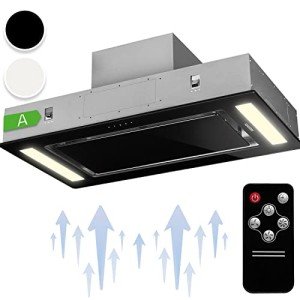
An Island hoods Kitchen cooker hood is a ventilation system suspended above a kitchen island cooktop. Unlike wall-mounted hoods, these devices are designed for open layouts where the cooktop is set up on an island range hood, permitting an unobstructed view and a stylish cooking experience. These hoods can efficiently remove smoke, smells, and airborne grease, making sure the kitchen remains fresh and free of toxins.
Key Features of Island Cooker Hoods
Island cooker hoods feature numerous functions that enhance their performance and aesthetic appeal. Below is an extensive list of some typical features:
- Suction Power: Measured in cubic feet per minute (CFM), this suggests the volume of air the hood can successfully filter.
- Noise Level: The sound produced by the motor, normally measured in sones or decibels.
- Lighting: Integrated lighting to illuminate the cooking area listed below.
- Filters: Charcoal or metal filters that can trap grease and odors.
- Ducted or Ductless Options: Ducted hoods vent air outside the home, while ductless hoods filter and recirculate the air back into the kitchen island extractor hood.
- Control Options: Touch controls, push-button controls, or mobile phone compatibility for simple functionality.
Benefits of Installing an Island Cooker Hood
Buying an island cooker hood includes a wide variety of advantages:
- Effective Ventilation: Ensures the kitchen stays smoke and odor-free.
- Aesthetic Appeal: Adds an elegant centerpiece above the kitchen island.
- Increased Property Value: A modern installation can improve the total value of a home.
- Improved Air Quality: Regularly venting out heat and wetness promotes a healthier cooking environment.
Types of Island Cooker Hoods
When selecting an island cooker hood, it's vital to think about the type that best suits the kitchen's needs. Here's a breakdown of the different types offered on the market:
Ducted Island Hoods:
- Vents air outside through ducts.
- More efficient in removing grease and smoke.
Ductless Island Hoods:
- Filters air within and recirculates it back into the kitchen.
- Much easier to set up because no ductwork is needed.
Convertible Island Hoods:
- Can run as either ducted or ductless depending on the setup needs.
Wall-Mounted Island Hoods:
- Attached to the wall instead of hanging straight over the island hob extractor.
Chimney Style Island Hoods:
- Feature a chimney-like structure and supply high suction power.
Installation Considerations
Setting up an island cooker hood requires mindful planning and execution. Here are some vital considerations:
- Height: The hood must be set up at least 30 to 36 inches above the cooktop for optimal efficiency and security.
- Ductwork: For ducted hoods, ensure proper ducting and venting work to prevent any air leakages.
- Electrical Requirements: Check local building regulations for any electrical wiring and electrical setup guidelines.
- Area: Measure the kitchen island location to choose the appropriately sized hood.
Upkeep Tips for Island Cooker Hoods
Regular upkeep of island cooker hoods is essential for guaranteeing their effectiveness and longevity. Here are some maintenance suggestions:
- Clean Filters Regularly: Island hoods Kitchen Depending on use, clean or replace filters every 1 to 3 months.
- Wipe the Surface: Clean the exterior and interior of the hood with mild detergents to prevent grease buildup.
- Examine for Blockages: Ensure that ducts are clear of obstructions.
- Service the Motor: Periodically examine the motor and demand expert servicing if any uncommon sounds are found.
Frequently Asked Questions (FAQs)
1. Just how much CFM does an island cooker hood require?
The CFM requirement usually depends upon the size of the cooktop and the cooking style. As a general rule, plan for 100 CFM for every 12 inches of cooking surface.
2. Can I set up a ductless island cooker hood if I have inadequate ductwork?
Yes, ductless island hoods are a fantastic alternative if ductwork is not practical. Ensure you utilize top quality carbon filters for reliable odor and grease removal.
3. How do I know if my island cooker hood is effectively set up?
Verify that there is no extreme sound, the easy work, and the hood effectively eliminates smoke and odors when in operation, showing proper installation and functionality.
4. How frequently should I clean my island cooker hood?
Requirement practice recommends cleaning up the filters every month and performing a deeper tidy of the outside and interior every 3 to 6 months.
5. Exist energy-efficient alternatives available for island cooker hoods?
Yes, there are energy-efficient island cooker hoods that use sophisticated innovation to reduce energy usage while maintaining strong ventilation capabilities.
Island cooker hoods play an essential role in modern kitchen areas, offering reliable ventilation solutions while improving the kitchen's visual appeal. They are available in various styles and features, accommodating varied needs and choices. With appropriate setup and regular upkeep, these home appliances can significantly enhance air quality, add to much healthier cooking environments, and elevate the overall appearance of the kitchen space. By considering durability and functionality, property owners can make educated options that line up with their cooking habits and kitchen styles.