15 Reasons Why You Shouldn't Ignore Order Fakes Online
ページ情報
投稿人 Wilson 메일보내기 이름으로 검색 (102.♡.5.111) 作成日26-03-16 00:11 閲覧数3回 コメント0件本文
Address :
KR
The Underbelly of E-commerce: Ordering Fakes Online
Recently, the increase of e-commerce has actually reinvented shopping habits worldwide. With just a couple of clicks, customers can access an endless array of products. However, lurking within this new digital marketplace is a more insidious aspect: the schedule of counterfeit items. This blog site post digs into the world of buying fakes online, exploring its implications, risks, and what consumers need to know.
Comprehending Counterfeit Goods
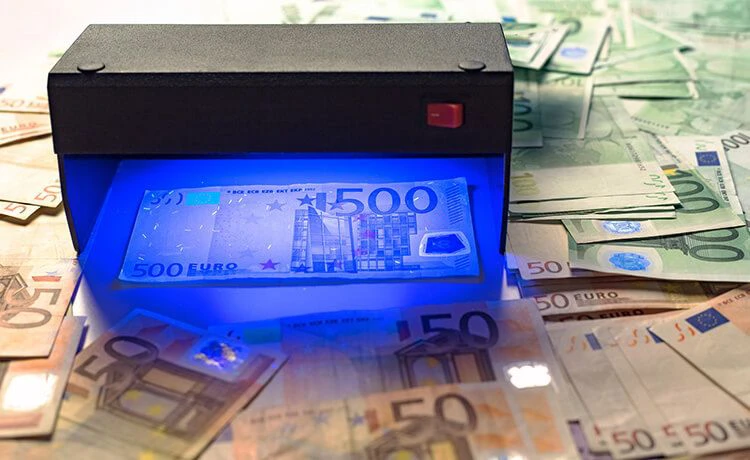
Counterfeit products are products that are made to imitate authentic items, often with the intent to deceive customers. The counterfeit market spans a range of sectors, consisting of style, electronics, pharmaceuticals, and high-end goods. The expansion of online markets has made it much easier for counterfeiters to sell fake items, often at a fraction of the genuine product's price.
Table 1: Common Categories of Counterfeit Goods
| Classification | Examples | Possible Risks |
|---|---|---|
| Style | Clothes, purses, shoes | Quality issues, legal problems |
| Electronics | Smart devices, gizmos, accessories | Security hazards, data theft |
| Pharmaceuticals | Medications, supplements | Health threats, legal problems |
| Cosmetics | Makeup, skincare products | Allergic reactions |
| High-end Goods | Watches, jewelry, designer items | Scams, loss of financial investment |
The counterfeit goods market is estimated to be worth over ₤ 600 billion worldwide, and its development is driven by the increasing demand for luxury and branded items. Nevertheless, acquiring these items presents threats that consumers ought to not ignore.
The Dangers of Ordering Fakes Online
While counterfeit products might appear attracting due to their lower rates, they include a number of intrinsic threats and disadvantages.
1. Quality and Performance Issues
Counterfeit products are often inferior in quality compared to their real counterparts. This can lead to product failures, poor efficiency, and ultimately a waste of money.
2. Health Risks
In categories such as cosmetics and pharmaceuticals, counterfeit products can pose major health dangers. Phony skin care might include hazardous chemicals, while counterfeit medications might lack the required active components or include hazardous compounds.
3. Legal Consequences
Getting counterfeit products is prohibited in many jurisdictions. Consumers found in possession of fake products might deal with legal effects, consisting of fines or confiscation of products.
4. Ethical Concerns
Supporting counterfeit markets can adversely affect brand names and manufacturers, especially little businesses. It weakens the value of real items and can cause task losses within legitimate business.
5. Digital Security Risks
Numerous online platforms that sell counterfeit items might not utilize appropriate security procedures, putting consumer data at threat. This can result in identity theft or direct exposure to other cyber threats.
How to Spot Counterfeit Products Online
With the proliferation of counterfeit items, it is important for customers to arm themselves with knowledge to recognize fake products. Here's a useful list of pointers:
Tips for Identifying Counterfeit Goods:
Research the Seller: Check seller evaluations and scores. Reputable sites generally have client feedback that can suggest trustworthiness.
Rate Point: If a deal looks too great to be real, it most likely is. Genuine products often have a constant rate range.
Check Out Product Descriptions Carefully: Counterfeit products may have vague descriptions or bad grammar.
Check for Authenticity Tags: Many brand names have particular authentication techniques, such as holograms or unique serial numbers.
Analyze the Packaging: Genuine items usually have high-quality packaging, while counterfeit items may have cheap, poorly printed labels.
Contact Customer Service: Ask concerns about the product and the seller. Legitimate business usually have responsive consumer assistance.
The Role of Online Marketplaces
E-commerce giants like Amazon, eBay, and Alibaba have policies in place to combat counterfeit sales. Nevertheless, due to the large volume of deals, tracking is challenging. It's essential for consumers to understand that not all sellers on these platforms are legitimate.
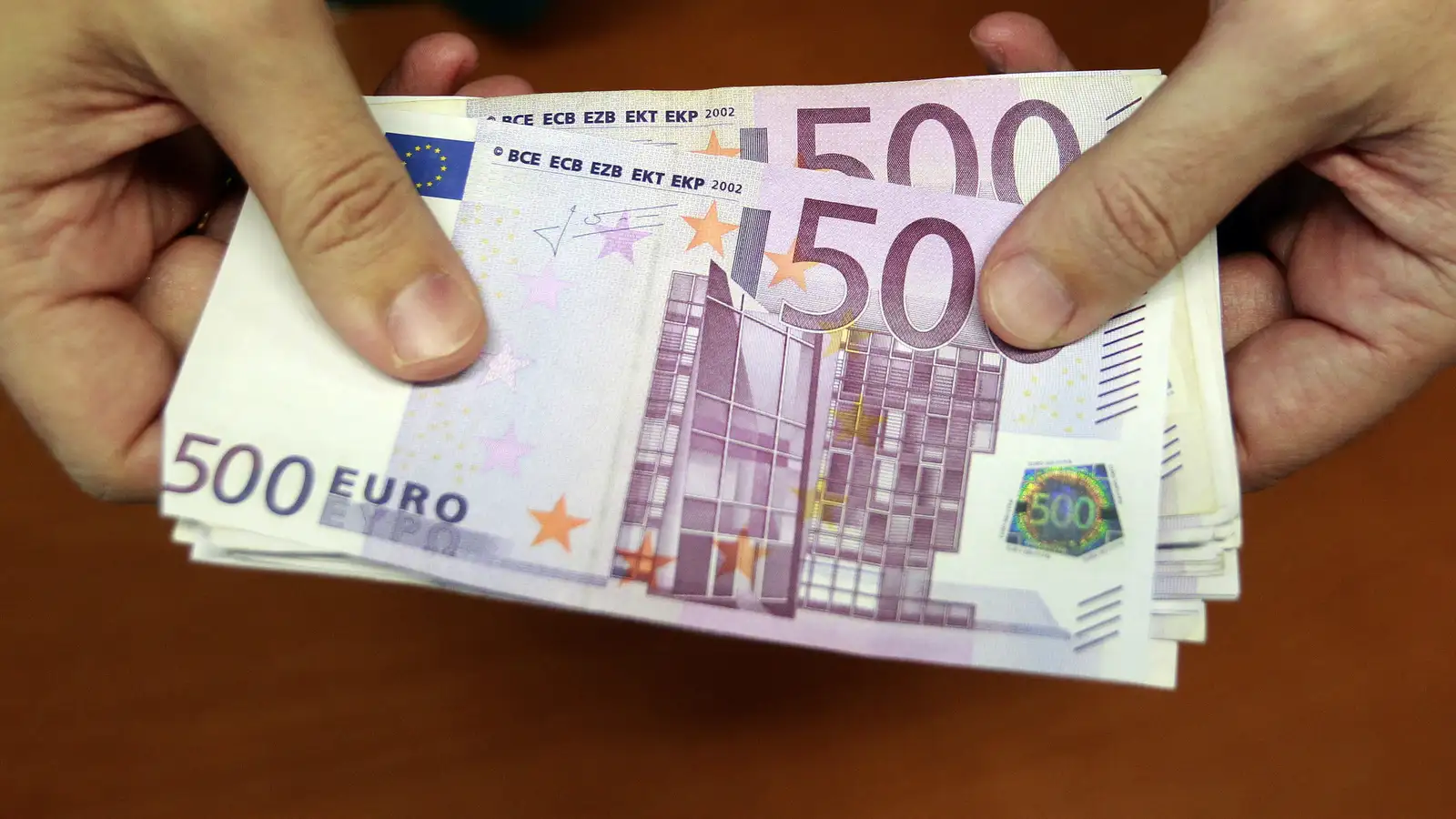
Table 2: Major Online Marketplaces and Their Counterfeit Policies
| Market | Counterfeit Policy Overview | User Responsibility |
|---|---|---|
| Amazon | Rigorous guidelines; sellers should verify items | Report suspected counterfeit sales |
| eBay | Uses purchaser defense; sellers are vetted | Research seller scores |
| Alibaba | Has a system to report phonies; encourages confirmation | Validate supplier qualifications |
While these platforms strive to limit counterfeit sales, customers must stay watchful when shopping.
Regularly Asked Questions (FAQ)
Q: Is it unlawful to buy counterfeit products?
A: Yes, acquiring counterfeit items is unlawful in many jurisdictions, and consumers can face legal consequences.
Q: How can I report counterfeit products?
A: Most major e-commerce platforms have procedures for reporting counterfeit goods. Be sure to follow the specific guidelines offered.
Q: Are there any websites that offer genuine items only?
A: Websites that focus on authentic brands, like the main brand's website or authorized retailers, are typically sure things.
Q: What should I do if I get a counterfeit product?
A: If you receive a counterfeit product, contact the seller and the platform's customer service to challenge the deal. Furthermore, report the seller to prevent more sales of counterfeits.
Q: Can counterfeit products be returned?
A: Return policies for gefäLschte Euro Kaufen counterfeit goods vary by seller and platform; however, many sellers may refuse returns for phony items.
Buying phonies online presents major dangers that outweigh the initial savings potential. Customers should be notified and watchful in their getting decisions to avoid falling prey to counterfeit goods. By comprehending the threats, finding out how to recognize fakes, and recognizing the role of online markets, people can add to a more secure e-commerce experience for everybody.
While it might be tempting to snag an offer on the current designer purse or device, the repercussions of buying counterfeit items can be steep. In a world where the line between real and counterfeit can frequently be blurred, understanding is not simply power; it's a necessity.