Nursery Cots Tools To Improve Your Everyday Life
ページ情報
投稿人 Renato 메일보내기 이름으로 검색 (86.♡.185.145) 作成日26-04-02 11:19 閲覧数2回 コメント0件本文
Address :
MX
The Ultimate Guide to Nursery Cots: Choosing the Perfect Sleep Space for Your Baby
When getting ready for a new baby, one of the most significant purchases parents will make is a nursery cot. A cot not only supplies a safe sleeping space for babies but likewise acts as a main piece of furnishings in the nursery. With a broad range of options available, understanding the different types of nursery cots, security requirements, and important functions is essential. In this guide, we will check out everything you require to understand about nursery cots to make a notified decision.
Understanding Nursery Cots
Nursery cots, or cribs as they are typically understood in some areas, are developed particularly for infants and toddlers. Unlike adult beds, cots have lower, more compact frames and are geared up with safety features customized for the needs of children. With various styles and styles offered, nursery cots can range from easy wood models to elaborate convertible systems that adapt as your child grows.
Kinds Of Nursery Cots
When it pertains to nursery cots, moms and dads can choose from a number of types. Below is a table summarizing the most common types of nursery Cots Offers (Pad.Stuve.De) together with their features.
| Kind of Cot | Description | Pros | Cons |
|---|---|---|---|
| Requirement Cot | A standard crib with repaired sides, typically made from wood or metal. | Traditional design, strong, and reputable. | Limited adjustability; may not last long-term. |
| Convertible Cot | Can be transformed into a toddler bed, daybed, or perhaps a full-size bed. | Grows with the child, more cost-efficient. | Often more expensive upfront. |
| Portable Cot | Light-weight and collapsible for simple transportation; perfect for travel. | Hassle-free for travel and small spaces. | May lack durability compared to basic cots. |
| Co-Sleeper Cot | Connects to the side of the parents' bed for easy access throughout the night. | Promotes bonding; simple gain access to for nighttime feeding. | Restricted space for the baby; some designs can be costly. |
| Moses Basket | A little, light-weight basket for babies, typically portable. | Extremely portable; cozy for babies. | Limited lifespan; not ideal for older babies. |
Secret Features to Consider
When looking for a nursery cot, several essential functions ought to be prioritized to guarantee safety and comfort. Here's a list of features to consider:
Safety Standards: Ensure the cot satisfies security policies set by pertinent authorities. Look for certifications from organizations like ASTM International or the Juvenile Products Manufacturers Association (JPMA).

Material Quality: Choose cots made from non-toxic materials, ideally solid wood or top ranked cribs quality metal, free from hazardous chemicals and surfaces.
Adjustable Mattress Heights: Look for cots with adjustable bed mattress levels to accommodate your growing baby. Greater settings are hassle-free for babies, while lower settings enhance security as the child finds out to stand.
Strong Construction: The cot needs to have a strong structure without any loose parts or spaces bigger than 2 fingers, which might position a choking hazard.
Easy to Clean: Select a cot that is simple to clean with removable and washable bedding options.
Style and Style: Consider the general visual of your nursery. Cots come in different styles, colors, and surfaces that can match your decor.
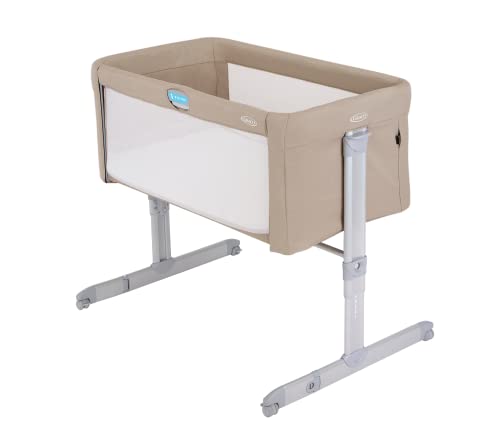
Movement Features: If you prepare on moving the cot often, think about designs with wheels or lightweight designs.
Convertible Options: If you're looking for longevity, decide for a convertible cot that can transition to a toddler bed or beyond.
Safety Guidelines for Nursery Cots
Safety is vital when it concerns nursery cots. Here are some guidelines to guarantee your baby's sleeping environment is safe:
- Always utilize a bed mattress that fits snugly in the cot with no spaces between the bed mattress and the sides.
- Prevent placing soft bed linen, pillows, or toys in the cot with your Baby Cot to minimize the risk of suffocation.
- Frequently inspect the cot for any loose or broken parts and carry out maintenance as needed.
- Follow the producer's weight and age limitations to make sure the cot remains safe as your child grows.
Regularly Asked Questions (FAQ)
What age can a baby sleep in a nursery cot?
The majority of infants can transition to a cot from a bassinet around 3 to 6 months of age when they can securely roll over and require more area to move around.
How do I pick the right mattress for a nursery cot?
Try to find a firm, breathable bed mattress that fits snugly in the cot. It needs to be identified as safe for infants and totally free from hazardous chemicals.
Is a convertible cot worth the investment?
Yes, convertible cots can save cash in the long run as they adjust to your child's requirements, turning into a young child bed or full-size bed.
How often should I examine my baby in the cot?
It's a good practice to examine your baby regularly, particularly during the first few months, to ensure they are comfy and safe.
Can I utilize a second-hand cot?
If using a second-hand cot, guarantee it meets present security standards, check for any recalls, and examine it thoroughly for wear and tear.
Choosing the ideal nursery cot is a pivotal decision for any brand-new parent. The best crib for newborn cot not only offers a safe sleep environment but also accommodates your family's spending plan and area requirements. By thinking about the types, essential features, and safety standards detailed in this guide, moms and dads can confidently pick a cot that meets their child's needs and guarantees serene nights for the entire household.